Desertcart purchases this item on your behalf and handles shipping, customs, and support to Netherlands.
🎶 Elevate your audio game — because your headphones deserve a power-up!
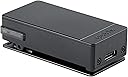
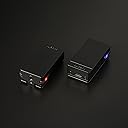
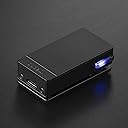
The Qudelix-5K is a compact, high-performance Bluetooth USB DAC amplifier featuring dual ES9219 DACs, Qualcomm QCC5124 chipset with LDAC and aptX Adaptive support, and a powerful parametric equalizer. It offers both 2.5mm balanced and 3.5mm unbalanced outputs, delivering up to 4V RMS balanced power. With up to 20 hours of battery life, a durable anti-scratch body, and a versatile companion app for custom EQ presets, it transforms wired headphones into a wireless audiophile experience without compromising sound quality.


| ASIN | B088F7C976 |
| Audio Output Mode | Stereo, Balanced |
| Best Sellers Rank | #5,387 in Electronics ( See Top 100 in Electronics ) #5 in Headphone Amps |
| Brand | QUDELIX |
| Brand Name | QUDELIX |
| Compatible Devices | Android, Windows, iPhone, macOS |
| Customer Reviews | 4.6 out of 5 stars 2,487 Reviews |
| Interface | USB |
| Interface Type | USB |
| Item Dimensions L x W | 2.08"L x 1.05"W |
| Item Type Name | DAC AMP |
| Item Weight | 26 g |
| Manufacturer | Qudelix,Inc. |
| Material | Plastic |
| Material Type | Plastic |
| Model | Qudelix-5K |
| Mounting Type | Clip On,Plug Mount |
| Number of Channels | 2 |
| Number of Items | 1 |
| Number of Packs | 1 |
| Part Number | Qudelix-5K |
| Product Dimensions | 2.08"L x 1.05"W |
| UPC | 860003628812 |
| Unit Count | 1 Count |
| Warranty Description | 1 year manufacturer |
N**N
Great sounding, easy to use DAC AMP for anybody!
This review is geared towards people like me. I am a music lover. A novice audiophile (maybe?) with a headphone fetish (absolutely!). My wired headphone collection includes a few over ear open back sets, a few Chi-Fi IEMs, and every on-ear with a 60-ohm driver that Koss sells :) I've been toying with the idea of purchasing a DAC/AMP for a while, but only recently discovered the Qudelix-5K. Based on the price point and the shear amount of recommendations that this unit receives on the forums, I knew I had to look into it. Now, if you are reading this review, you are most likely in the same spot that I was in at this point in my research. You have read about the powerful EQ capabilities and the companion app with more options than you can shake a stick at. And, if you are anything like me, you are at least a little hesitant, concerned that the "true power" of this device will be over your head. DON'T BE! Let me break it down for you: 1. The app truly is wonderful. Sure, it doesn't have the fanciest UI, but it is easy to navigate. Yes, there are a lot of options that may seem overwhelming at first glance, but everything is thoughtfully documented within the app. Speaking of thoughtful documentation... 2. The user manual is great. It is accessible right in the app under the DEVICE tab. I suggest spending a few minutes with the user manual right away, before you start listening. The first section provides some valuable information on key setting for the Quedelix-5K which can impact your first impressions of the device. As an Android user, the section up front on how to change the bluetooth codec on your phone to Sony LDAC was invaluable and greatly increased the sound quality. 3. Before purchasing this unit, I was concerned that the EQ functionality would be overwhelming but is absolutely fantastic! Now look: I have a basic understanding of frequencies and equalization and can follow along (to some extent) with the technical jargon, but if I try to EQ a pair of headphones myself from scratch, I will probably do more harm than good. That is where the Auto EQ Presets come in! A) I don't care what they are, there is probably and Auto EQ Preset for your headphones. At least, there is an Auto EQ Preset for every pair of headphones that I own. Amazon Chi-Fi IEMs, check. Cheap Koss on-ear headphones, yup. All of 'em. No kidding. B) Every Auto EQ Present that I've tried made that particular set of headphones sound better. Now I understand that this is subjective. Maybe you don't like the reference curve that was used. Maybe you just want to do it yourself. Can you EQ yourself to make it sound better TO YOU? Absolutely, and Qudelix has certainly given you the tools to do it. But that's not me. I very much appreciate the Auto EQ Presets. I have made some minor tweaks here and there to suit my preferences. For instance, the Auto EQ Preset for my QKZ x HBB IEMs has a low shelf applied to reduce the bass. I understand that this is probably technically correct, but I wanted my bass back! The extra bass fun factor is the main reason I bought these IEMs, and why I listen to them over more expensive IEMs for some music. No problem, save the Auto EQ Preset to a Custom user preset and remove the low shelf! Which brings me to: C) You can use the Custom presents to save the Auto EQ Preset for easy access (whether you tweak it or not). First, look up your headphones on the AUTO EQ PRESET tab. Now go to the EQUALIZER tab and click on the graph to bring up the list of Custon #X presets. Long pressing one of these brings up the "Save Custom Preset" screen, which allows you to name the preset and record the Impedance and Sensitivity. Do this for all of your headphones, and you can easily recall the EQ curve with any modifications that you choose to make. In the future, plug in your headphones of choice, turn on the Qudelix-5K, click on your saved EQ curve for those headphones, and you are off. Easy! 4. Most important, it makes everything sound better. I don't subscribe to Tidal. I listen to YouTube music. I would like to try out high-res or lossless at some point, but for now I am happy with what the Qudelix-5K does to my mainstream sources. So, there you have it. The Qudelix-5K sounds phenomenal and is an absolute no-brainer for its price point. It has all the options that the techy audiophile could wish for, and an "easy mode" for the rest of us that just want a great sound with minimal fuss. If you want your music to sound better, buy it. It's that simple.
A**R
Great PEQ OVERALL AMAZING
I really enjoy the Qudelix 5K both on the go and at home when plugged in. I use it with my Punch Audio Martilo IEMs on a Tripowin 2.5mm balanced cable, and my Hifiman Ananda Stealth V3 using a Meze Audio 2.5mm to 3.5 mono silver-plated copper cable. Both pairings work beautifully in wireless mode at 2 VRMS. I don’t really take the Anandas outside, but around the house the Qudelix makes them surprisingly versatile and easy to use without being tied to a desk setup. The Martilos are my travel set — great for store runs and general out-and-about use. Wired mode is where things really step up. Listening to lossless audio through USB with both headphones sounds wonderful. Some people say you can’t really hear the difference between lossless and Bluetooth, but in my experience you can — especially in clarity and separation. Bluetooth still sounds very good, but wired lossless has that extra clean edge. When it comes to PEQ, this is where the Qudelix 5K really shines. The parametric EQ system is one of the best features. You can build your own custom PEQ profiles or load presets from well-known audiophile sources. It makes it easy to fine-tune both the Martilos and the Anandas exactly how you want them. Battery life has been excellent in my use. With the IEMs I get over 10 hours consistently. With the Anandas it’s shorter — usually around 5–8 hours — but I solve that by using a low-charge battery pack (important — low charge mode). With that setup I can stretch runtime to around 14 hours with the Anandas and close to 24 hours with the Martilos. For anyone who needs something portable but still powerful and flexible, the Qudelix 5K delivers. The fact that all of this comes in such a small device makes it absolutely worth it.
R**B
Almost a home run
For me, this was what I was looking for. I was skeptical about the app but found it to be excellent. The responsiveness of the app and EQ options are what makes this really shine. The Bluetooth works very well with my iOS devices. I barely need to wait for the device to connect to my iPhone/iPad as soon as I power it on. The buttons on the device are indeed small and it's a bit of fumble to remember which button does what. I ended up making a little sticker with the function icons that helps with this. Fortunately, I mostly just use the power button and don't press the wrong buttons anymore. Also the build quality is very good. Now on to how I came across this device. I was looking to upgrade from my Fiio E17K since I got the Sennheiser HD660s headphones. The Fiio got loud enough with the unbalanced output but I was looking for more fine-grained EQ control. I originally got the Schiit IEMagni and thought I could EQ the sound with my miniDSP but found the IEMagni sounded too warm and could not be EQ'ed to sound like the Fiio. Then I started looking into other portable DACs again but since the HD660s need more power to drive them, I got the Monolith 124460 next. It had more than enough power but added some sort of flatness to the headphone sound. I still preferred how the Fiio E17K sounded overall. I also liked how the headphones sounded with the Apple Lightning->3.5mm adapter but obviously it was underpowered and lacked adjustments. I was just looking to retain the same sound qualities but with more adjustment and power. I looked at other Fiio options but didn't find something I liked, especially with the Fiio app having bad reviews. With the balanced 2.5mm output on the Qudelix, I'm able to drive the HD660s to adequate sound levels, retain the sound qualities that I like, and more importantly have responsive EQ adjustment when I want to hone in the sound that I would like for a particular listening session. As others have mentioned, the bass on the low end can be a toss up. For for an open back like HD660s, there's not ludicrous amounts of bass to be had anyway so it works well there. I mostly got these headphones to listen to jazz, classical, rock, etc. However, even with the lower impedance Audio Technica ATH-M30 headphone on the unbalanced output, the bass sounded muffled and definitely not as punchy as it is with the Fiio E17K. It was able to drive my MEEaudio M6 Pro IEMs with no problems however. I think this is mostly just because the DACs in this unit aren't power delivery monsters and for this being the size of a 9v battery, I'm still impressed. The balanced output definitely has more power available but I don't have a balanced closed-back headphone to test if the bass situation is better there. EDIT: I got Beyerdynamic DT150 headphones and after EQ’ing I found the bass to get tighter with the Qudelix than the Fiio. And that’s with the unbalanced output driving a 250 Ohm headphone- sufficient volume but might consider making a balanced cable since the headphones have the wiring for it. In the end I think it just comes down to the headphone you have and how well it works with this amp. With all of the settings and tweaks available in the app, this is the best device for me. I think if they made a more powerful version of this and made the buttons easier to distinguish/locate, it would be perfect.
R**R
The legend, the best, the only Bluetooth DAC for IEM
Qudelix-5k has been a legend for years on internet. I had always been wondering if there is a better option after so many years with so many new products. After conducting research extensively for several months, I finally decided this is it. Once it's delivered to my hand, I have been in love with it every day. Now I fully get why it's a legend. For my exact requirement, Quedelix-5k is one and only. I love music, but I cannot drop my work. Meetings are spread out from morning to evening, sometimes I am in office, sometimes I am driving. High quality mic is non-negotiable for me. I have to switch from music to meeting without too much hassle, like fiddling with wire or anything. For a portable DAC using IEM, there is no better choice. My voice is loud and clear, no voice latency that people can tell, I truly enjoy attending meetings using this DAC with my favorite IEM. Besides mic, the most unique feature of Qudelix-5k is its high quality software on Apple iOS. I need parametric EQ on iOS, and the EQ settings must be stored on device. No other device has software as awesome as this, others aren't even close. I can easily load the precalculated settings from AutoEQ, I can overlap it with my own, I can even enable cross-feed to adjust the sound stage. Given that I have HD 6xx and S12, but with good EQ even $20 IEM can be super impressive, the sound quality with low latency is undeniably awesome! Listen to me -- the Qudelix-5k software on iOS is truly outstanding. There is no alternative as far as I can see. I love how compact the device is. I clip it on my shirt and don't feel anything. I love how versatile it is to connect with phone and PC. Additionally, I can use it like a wired USB-C DAC, is there anything else more convenient than this? Lastly, at this price on Amazon, there is absolutely no way to find a better Bluetooth DAC with good software, high power, great mic, and exceptional sound quality. Actually, even the second hand DAC would be more expensive than this. This is the best deal on the market. If you have an IEM and wonder which DAC to pick, look no further, this is the right one.
B**N
Pretty capable little device
I have playing with this little dac/amp for about a day. I've connected it to both my home PC (windows 10) and my iPad. I've been streaming from Amazon music HD and Pandora. Here's some initial impressions. The device itself is really small and the buttons are very small and awkward. It's tricky to not misfire because of their placement. It would be great if there were clear labels for each button. Curiously there ARE labels on the box it came in. Almost all of the adjustments are made using the Quedlix app. I've installed it on my iPad as well as the plug-in for Windows chrome. The app has a LOT of settings and the instructions are pretty sparse. I was able to get more information searching around on the web however. Although I was able to establish a bluetooth connection with each device, I've been mostly using a USB cable on both my PC and iPad. On bluetooth the quality is not quite as good 16bit/44.1k according to Amazon music. Hardwired I get 24bit/96k. The shining light on this device is the equalization options. There are many! You can switch between multiple configurations, 10 or 20 graphic equalizer, PEQ or use pre-sets. I have been fine tuning for multiple headphones. My go-to headphones are Beyerdynamic 990's. The amp drives these with ease. Once equalized the sound is quite pleasing with a decent soundstage. It is great to finally have an option to have a full-fledged equalizations for iOS devices. For a little over $100 I'm impressed with value and functionality. A few things I would appreciate: A discrete on/off switch and a discrete, well labeled volume control. This is definitely a device that requires some serious configuration to get the best out of it. I will update if I run into any issues. So far, so good. One additional note. There's a case available from the manufacturer's website but not Amazon. It's $2.00 with a $10.00 shipping fee to my areas. It would be swell for either Amazon to carry the product or for the manufacturer to include in the purchase.
G**N
Unmatched Features, Power and Sound
Why did I buy the Qudelix-5K? I have Sennheiser HD560s high impedance (120ohm) open-back headphones that sound great but don't have bluetooth. I got an Earstudio ES100 MK2 bluetooth unit with an included amp and its own digital-audio converter [DAC] (which I love), but it was not able to power the HD560s to full potential. The ES100 MK2 was strong enough in most situations but not strong enough in too many. Here is how the Qudelix-5K solved this and provides exceptional features in other areas as well. Power: The Qudelix provides more than adequate power for my high impedance (120 ohm) Senn HD560s. It provides two power settings, and the lower setting is adequate to power the HS560s. (Both settings allow use of the superior balanced connection that uses both of the Qudelix internal amplifiers.) I am waiting to see if the higher power setting will be enough to also power my low-sensitivity (93.5 dB) Hifiman Deva [waiting for a proper balanced cable], but I think that it should also be adequate for this headphone as well. Problem solved! And this will also provide enough power for most high impedance/low sensitivity headphones. This is a huge benefit for those wanting to add bluetooth to power-hungry audiophile headphones (or replace the headphone's own bluetooth with the Qudelix to be able to use the additional features of the Qudelix). Equalization (EQ): The Qudelix provides both a standard [GEQ] and a parametric [PEQ] equalizer. While a standard equalizer allows adjusting the sound profile at predefined frequencies, a parametric equalizer allows specifying the frequency and the type of adjustment to be made. For example, the GEQ will allow adjustment of a specific bass frequency but will not be able to extend beyond the predefined lowest frequency. The PEQ will allow specifying a specific bass frequency and allow using a filter that extends the impact to all frequencies below the one specified. I was concerned that the PEQ might be too complicated to use, but the Qudelix website provides a link to research-based reference EQ settings for hundreds of ear/headphones. I was able to simply find the settings for my Senn HD560s and key them into the Qudelix (took about 3 minutes). This resulted in the elimination of some [difficult to listen to] shrillness in the treble, extended the bass (which is a problem inherent in most open-back headphones), and improved the imaging (the placement of instruments within the soundstage). What a bonus! I should have planned to get the Qudelix simply to get the PEQ on its own merits! [Note: Even though my Hifiman Deva comes with its own powerful bluetooth/DAC/amp (which provides outstanding sound!), I expect that the PEQ of the Qudelix may well make the Deva sound even better as well.] [I also tried the Qudelix with my Sony WH1000MX3, and the sound was also improved substantially! Unfortunately, this sacrifices the automatic noise reduction (ANC) feature of the Sony's, so I will probably just relegate their use to noisy environments and be less satisfied with their sound.] Battery: The battery of the Qudelix lasts longer than the ES 100 MK2 at the same settings. However, the Qudelix provides many additional features and power settings that can use more power, so it is important to understand the relationship between settings and power use. To address this, Qudelix has gone beyond simply providing a battery percentage by also providing a graph of power/battery use. Brilliant! I wondered why I just wouldn't set the Qudelix to the higher power setting for my Senn HD560s, but the battery graph allowed me to see the impact of the higher power setting and the advantage of the lower setting. This is something that the competing ES100 MK2 and Fiio BTK5 do not provide! Qudelix Updates: Qudelix provides over-the-air (OTA) updates to the 5K. This means that updates can be applied directly from the application rather than having to use the complicated process of connecting to a PC and using commands to download, process, and apply the update (as both the ES100 MK2 and Fiio BTK5 require). This allowed a simple immediate update before first using the Qudelix and has allowed Qudelix to provide continuing updates and fixes. This is a huge difference! Think about it - without an easy to use update process, competing products will be hesitant to issue updates or users will simply not go to the trouble to update. This has allowed Qudelix to continue to add useful features while competitors have fallen silent! Bluetooth Range: While maybe not a critical factor, the Qudelix has an extended bluetooth range. While the ES100 would start to have dropouts at the furthest points in my house, the Qudelix (because of its high-tech antenna?) has no drop-outs at the same distance. Summary: While I bought the Qudelix to get higher power from an add-on bluetooth unit, it is the additional features that make it so much better than the competition. For about the same price as the competition, the Qudelix provides better performance and features plus the ability to continue to get continued updates and additional features that make the Qudelix stand out in comparison.
L**L
Exceptional fidelity and features for incredible price.
Absolutely solid all around. Measures well, sounds as good as it measures, has features that many more expensive and worse measuring portable DAC/amps don't have. Bluetooth worked well enough for me but I didn't stress test its range or stability. Likewise I haven't really stressed it for battery, it's been plenty good (especially if you're used to typical modern wireless earbuds like AirPods). I'd say only downside is the physical control functionality. It's not terrible and works fine once you learn it, but it could be improved. The physical buttons work fine as well but I'd prefer them to be flush mounted or even recessed with maybe a rotary knob of some sort for volume. Also, thankfully there's a good app that you can use instead which makes the physical buttons less necessary so it could be simplified. Maybe could use a more appealing aesthetic design but it's so compact while still offering so much capability, including an integrated clip, that I'm not gonna complain. But they could easily put the same internals in a more appealing enclosure and charge a lot more fore it. I'm considering upgrading to their 8 channel one so I can use it to playback multi-channel movie audio. I look forward to seeing what else Qudelix comes up with, but this is so good that I'd be waiting for proper next gen Bluetooth (lossless stereo, quality multi-channel) before I'd want to replace this for portable DAC. Hoping maybe they can even add some other options ("spatial" audio), and some noise cancellation.
T**S
Amazing BT Receiver
Hi.. I'd like give my view on Qudelix 5K after using it for almost 3 months. Hopefully what I share below could help others to understand better about this device. Qudelix 5K is a very sophisticated audio device. I notice it captures firstly/mostly the 'serious' audio lovers/enthusiasts. I myself like it so much and really amazed by its sound quality that I feel it necessary to introduce it to greater audience than just the audio enthusiasts. For this reason, I'm going to try explain it in a more simple than technical approach. In simplest term, device like Qudelix 5K can do two things: 1. As Bluetooth receiver (receive BT audio and send out analog audio) 2. As USB to analog audio dongle (USB-C to analog audio out) The USB-C port on 5K is dual function port. We could use it to charge the battery on 5K, or use it as interface for USB-to-analog audio dongle, or both. Qudelix 5K send out analog audio via the 3.5mm or 2.5mm jack on top of the unit. On either of this port we could connect earphones/headphones or send the output across to the external audio amplifier (i.e. home audio or car audio). (Note: the 2.5mm port is intended to operate in 'balanced' audio mode. If you have no idea what it is all about, please avoid to use it. Don't try to put in just any 2.5mm plug/cable, without proper 'balanced' wiring. 5K could be damaged by the wrong 2.5mm connector/cable.) Depend on how we like to use 5K, how deep we want to dig 5K capabilities and tinker with their accompanying mobile app, we could turn this device from sounding great to amazing. We could use Qudelix 5K just as simple BT receiver/audio dongle. The device have been pre-set up by manufacturer with optimum default settings. IMHO, the default settings on 5K is more than enough to make average/most listener to be happy with it. Enough to open them up to the world of improved audio reproduction and that while having the freedom of detached (i.e. wireless) earphone/headphone from their mobile phones. Please don't feel degraded/depreciate when I mention 'average'. By 'average' is I mean for people enjoying music more than concerning with how their audio equipment perform (that's why there's the term 'audiophile for this kind of love :) ). I myself is more of a music lover (80% of time) than audiophile, though I really love to hear my music sounding their best. Qudelix provide 5K with an accompanying mobile app (available for iOS on AppStore and Android on PlayStore). The app is intended to do many things such as: - to regularly upgrade the 'software' inside Qudelix 5K; to improve its performance and stability - to formally start the warranty of the 5K with the manufacturer - to adjust behavior when it is connected as USB dongle - to enable/disable certain Bluetooth audio codecs (note: by default all codecs are enabled) - to adjust the buttons behavior/actions - to adjust the power/battery management - to adjust it to get the maximum sound quality (remember: this one is not mandatory to get good sound out of 5K, as I mentioned above) - to set the built-in equalizer in 5K to adjust it to sound more to our flavor (note: human hearing and ear profiles are never the same person to person), or to 'correct' the imperfect characters of earphone/headphone, or compensate the room response of home/car audio system. - and few more The interesting part with the app is, the Qudelix app is actually just a user interface to set these settings on 5K. All the settings we do on the app are not saved on the app but directly on 5K and the app is no longer needed for 5K to perform. Settings on 5K will follow it everywhere regardless of the mobile phone or computer using 5K as BT receiver or USB audio dongle. So if in one occasion I used 5K with my friend's mobile phone or I used to test a mobile phone in the store, all the settings (including the sound profile) will just follow with 5K. With such capabilities of Qudelix 5K, the app then is a little bit complex to use. You'll need time to really understand and to use all the features. I myself confused on my first time using it. But don't feel too overwhelmed but the app, if you found it is too complex to understand it, just leave it. Qudelix 5K sounded already good with its all default settings. I don't want to cover all the settings and Qudelix capabilities here. Those could be found on their user guide. I'm going to list the things that I found amazing on Qudelix 5K. 1. Amazing Sound. I've repeated this many times above. It simply sound amazing. Be it used with just basic AAC/Apt-X codec, or very advanced codec like LDAC, or using as USB-audio dongle. It sounded many, many times better then my other BT receiver Maceton WM4U. It sounded two or three levels above my LG V20 phone; a phone that is highly respected for the sound quality: better resolution, better music layers, better power, more finesse. 2. Long battery life. This depend whether we want to maximize it for longer battery life or set it for best audio performance, we can get between 10 hours to 20 hours of play. 3. Powerful Driving Power Device like Qudelix 5K is technically referred to as DAC (Digital Analog Converter). DAC will receive audio in digital format and convert it into analog audio. Analog audio is then converted by the interaction of amplifier and transducer (i.e. speaker, headphones, earphones, etc.) to become audio wave so that we human can listen to it. Normally analog audio output from DAC alone is quite low and need external amplifier to sound louder. In Qudelix 5K case, it has built-in little amplifier that is powerful enough to drive various headphones/earphones load. The 3.5mm port is powerful enough to drive many headphones. But the 2.5mm balanced port would deliver double of power. In balanced, it's quite powerful to drive my very demanding Hifiman HE5LE planar magnetic headphone to sound quite loud. 4. Amazing Bluetooth range. Qudelix hype about the 5K unique BT antenna design, and they are not just hyping it up. I could get 5K play 8 meters away from my LG V20 phones, across 3 layers of brickwall (of about 6 inch each) at my home and that while I use LDAC as codec, and that streaming from my LG V20 that can only do BT4.2. 5. Amazing Equalizer Qudelix 5K come with two flavors of 10 bands equalizer; Graphic Equalizer (GEQ) and Parametric Equalizer (PEQ). Equalizer is done on digital domain with 64 bits precision calculation, which mean the EQ could adjust the level of frequency and amplitude of the sound without degrading the quality of the modified sound. GEQ is something that most people familiar with. But PEQ is a beast of equalization tool. It provides a much more flexibility for us to shape the frequency of the sound to affect the response of our earphone/headphone or room response of external audio system. Note that PEQ is usually considered as professional tool. But not necessarily professional audio equipment would have PEQ in it. Some lower/mid end even only have 3 to 5 bands PEQ. Amazingly 5K come with 10 bands very high precision PEQ in such a small package. By now, you should be able to see why I mentioned that Qudelix 5K is such a sophisticated audio device. Inside its understated appearance, Qudelix 5K is really an amazing, highly customizable and state of the art audio device. Below is the list of audio device I used with 5K this far. Earphone: Sony MH755, Blon BL-03, Fiio FH1 Headphone: Drop E-MU Purpleheart, Audeze Sine (in balanced), Hifiman HE-5LE (in balanced) Source (BT transmitter): LG V20 Music/songs: I don't limit myself with certain genre of music. I listen everything: classical/romantic/baroque/renaissance, rock (progressive, rock'n'roll, hard rock etc.), jazz (all derivatives), metal, pop, folk/country, vocal, etc. PS. Qudelix 5K has built-in microphone, which is very sensitive, but don't have noise cancellation. The voice coming out from the microphone is actually very good, but if we clipped Q5K to clothes it could easily pickup the noise of 5K rubbing the clothes and send across the sound to the other end. If we don't like this, and our earphone has built-in microphone, we can turn the 5K microphone off and instead using the external microphone on our earphone/headphone. In the other way around of usage, if our headphone/earphone don't have microphone (or we send audio output to amplifier for example) we could use the built-in microphone on Q5K for making a call. PPS. Comparing Graphic Equalizer (GEQ) and Parametric (PEQ). In GEQ, frequency range of human hearing (20Hz to 20KHz) are divided into about factor of two frequency scale (31.5, 63, 125, 250, 500, 1K, 2K, 4K, 8K, 16K) with fixed width of frequency range 'impact' for boost or cut as peak/valley. PEQ is a much more sophisticated equalizer in that this frequency scale can be adjusted freely by us, for how wide the impact would be, and whether the impact is affecting as peak/valley or as shelfing filter. Don't be confused and overwhelmed by this PEQ. It seems complicated at first but is really not that difficult to use. What makes it complicated is to effectively use PEQ to shape a headphone for example, we would need to have the frequency response measurement of the headphone. With that we will know on which part of response the phones are the lacking or having too much of volume. Then we rectify these with the PEQ. Luckily some sites readily share their measurements such on this list: https://www.reddit.com/r/oratory1990/wiki/index/list_of_presets The PEQ sample I attach as one of picture, show my way to correct the response of my Fiio FH1 IEM. I don't follow any 'Harman' Curve but use other excellent sounding IEM for reference. Without the EQ, it sounded smooth but flat and unexciting. PEQ turn it into a lively sounding IEM I could never imagine before.
M**L
Ottimo DAC
Lo utilizzo quotidianamente con le mie KZ e funziona divinamente. Il dispositivo è leggero e facilmente trasportabile, essendo principalmente in plastica, salvo per la clip in metallo. Lo uso quasi esclusivamente tramite bluetooth quando sono fuori casa. L'autonomia non è eccezionale a mio parere (>4 ore di riproduzione audio via bluetooth utilizzando Sony LDAP) ma non ho altri riferimenti per poter valutare la cosa (e non penso si possa fare molto di più per via delle dimensioni). L'applicazione è ottima sia da smartphone che da browser. Ti consente di monitorare costantemente i parametri e ti avvisa non appena è disponibile un nuovo update firmware (fatto l'ultimo oggi 30/04 e da quando lo ho acquistato è il 5, quindi molto supportato). L'unico aspetto "negativo" sul quale posso esprimermi, è in merito all'usabilità dei bottoni laterali. Non hanno icone e una forma differente perché siano distinguibili al tatto o alla vista, pertanto bisogna fare l'occhio e capire quale è uno o quale è l'altro dal verso del dispositivo (probabilmente acquisterò/stamperò degli sticker e li attaccherò sul dispositivo per risolvere questo aspetto). Il dispositivo inoltre non è configurabile in altro modo se non tramite applicazione. L'ho comprato principalmente per migliorare il mio ascolto e per imparare un po' di più sulla musica che ascolto quotidianamente. Il suo equalizzatore e il suo catalogo di preset (ce ne sono una vastità, ed è possibile inserire anche di custom) mi ha permesso di comprendere meglio come poter adattare la risposta delle cuffie a quelli che sono i miei gusti in fatto di ascolto. Il dispositivo possiede anche un microfono e da quello che mi è parso di capire dalle poche chiamate che ho fatto utilizzando questo, si sente discretamente bene (aggiunta molto gradita per chi ha cuffie prive di microfoni o che utilizza cavi custom per i proprie monitor, come il sottoscritto). Non ho cavi bilanciati con cui provare l'uscita bilanciata di cui il dispositivo è provvisto, quindi la mia valutazione per ora è solo in merito all'uscita sbilanciata. Aggiornerò ma mia recensione qualora dovessi acquistare un cavo/cuffia con cui testare l'uscita e non appena sarò un ascoltatore migliore. Consiglio quindi l'acquisto ai neofiti come me che vogliono esplorare un po' più a fondo il mondo dell'ascolto musicale, e vogliono imparare a capire i loro gusti in termini di ascolto. Il dispositivo è molto semplice da utilizzare, ed i preset già all'interno del dispositivo aiutano molto (funziona anche senza impostare questi). La copertura bluetooth è molto buona ed è possibile utilizzarlo anche connesso alla USB-C (2 cavi un confezione uno USB-C ed uno USB standard). Il costo è alto, ma penso sia un buon punto di partenza che non impone particolari limitazioni in merito di cuffie o dispositivi che ci vuole acquistare qualora si scegliesse di fare un upgrade in futuro.
M**L
So kompakt, so gut
Apple ist schuld. Seit Apple in Music Lossless Audio freigegeben hat, habe ich mal wieder angefangen etwas genauer hin zu hören. Deshalb habe ich mich in den letzten Wochen mit Kopfhörern und vor allem mit Digital-Analog-Wandlern beschäftigt….. Habe mir inzwischen auch noch ein Probeabo von TIDAL geholt.... Meine Anforderung war es einen DAC mit integriertem Kopfhörerverstärker zu haben. Vornehmlich für old school Blues, Rock und Hardrock. Da ich einen DT880 von Beyerdynamic mit 250 Ohm als Hauptkopfhörer betreibe sollte der Verstärker auch etwas Power haben. Abhörsituation: Wohnzimmersessel, nicht für Unterwegs. Bluetooth war mir zunächst nicht wichtig. (Das sollte sich aber noch ändern). Das Gerät sollte sich per Kabel an iPhone und Mac als USB-DAC betreiben lassen. Nach einigem Lesen bin ich auf Apogee Groove, ifi HIP DAC, FiiO BTR5 und eben den Qudelix 5k gestoßen. (Beim Groove hätte ich für den Betrieb am iPhone ein Powerpack benötigt. Da er vom Klang so gut bewertet war habe ich ihn dennoch mit getestet. Im Sessel hätten mich die Kabel auch nicht so gestört.) Ich habe die Geräte nicht messtechnisch verglichen. Da gibt es endlos viel Quellen. Meine Tests beschränkten sich auf viel Vergleichshören. In Kürze: der Groove klang spontan am "wärmsten“. Spontan, weil ich mit der Zeit gemerkt habe, dass es Immer einige Zeit benötigt, bis man die betonten Nuancen der Geräte wirklich erkennt. Denn die Unterschiede sind nicht sehr groß. Und es hängt natürlich sehr viel an der genutzten Abhöre. An einem anderen Kopfhörer ist sicher einiges anders. Gegenüber dem ifi HIP DAC empfand ich jedenfalls, dass es dem Apogee an Details mangelte. Der HIP DAC war nun mein Favorit. Allerdings bemerkte ich mit der Zeit, dass dieser -auch ohne die zuschaltbarem Bassanhebung- immer etwas zu viel Bass am DT990 erzeugte. Dennoch klingt das Teil sehr gut und sieht auch super aus. Der analoge Lautstärkeregler ist super cool. Nur würde mich der Bass nerven. Der BTR5 klang etwas analytischer und unten rum nicht so dick. Also noch ein paar Punkte mehr. Er war nun vom Klang meine Nummer eins. Hinzu kam die super kompakte Bauform und ein wesentlich niedrigerer Preis als die beiden erstgenannten. Die Verarbeitung finde ich auch die Beste der vier Kandidaten. Und er hatte Bluetooth. Das ist aber auch sein schwächster Punkt. Die Reichweite geht gegen Null (im Vergleich zu allen anderen Bluetooth-Geräten die ich so habe). Spätestens nach zwei Metern (ohne Hindernisse) kommt es zu Störungen. (Generell ist Bluetooth für mich -zumindest zum "richtigen" Musikhören nicht von Interesse, da zumindest am iPhone wegen des AAC-Codecs zu viel verloren geht. Habe auch mal mit einem Pixel 5 unter LDAC getestet. Das klingt schon toll. Hier höre ich keinen Unterschied zum Kabel). Und die App fand ich auch nicht so toll. Den EQ bekam ich nur im Bluetooth-Modus zum laufen. Nicht im DAC-Betrieb. Eventuell lag es an mir. Im USB-DAC-Betrieb konnte ich am iPhone die Lautstärke nur am BTR5 regeln, nicht am Gerät. Allerdings habe ich mal wieder meine alten Teufel-In-Ears ausgepackt. Seit dem bleiben die AirPod Pro im Schrank. Der Klangunterschied ist unglaublich. Nun zum Qudelix. Negativ: Es gibt für mich nur einen negativen Punkt. Den vorweg: er unterstützt "nur" 96kHz-Samplingrate. Die anderen Geräte 192 kHz oder gar 384 kHz. Das wundert mich vor allem im Vergleich zum BTR5, denn der Qudelix und der BTR5 haben meines Wissens den gleichen DAC an Bord, einen ESS 9218P. Ich weiß nicht, wie der Qudelix klingen würde, wenn er höhere Raten könnte. Zu dem Thema habe ich viel gelesen. Es gibt wohl mögliche Effekte. Aber wenn überhaupt für meine Ohren hörbar, dann vermutlich nur sehr marginal. Man müsste mal Qudelix fragen, weshalb z.B. der den gleichen DAC-Chip nutzende BTR5 192 kHz kann? Neutral: das Gehäuse wirkt nicht so hochwertig wie das des BTR5. Vor allem scheint die Oberfläche empfindlicher gegen Kratzer zu sein. Aber das ist Jammern auf hohem Niveau. Positiv: Nun aber zu den guten Dingen: Ich würde sagen, dass er vom Klang identisch mit dem BTR5 ist. Somit also parallel mit diesem auf Platz 1. Die iOS-App von Qudelix ist super aufgebaut. Man kann unheimlich viel auslesen und einstellen. Es ist gut strukturiert und verständlich. Sie funktioniert auch wenn der Qudelix mit einem anderen Gerät verbunden ist. Somit kann man auch dann Werte auslesen, wie z.B. welcher Codec aktiv ist, wenn das Gerät am PC hängt oder via Android einen Bluetooth-Stream per LDAC empfängt). Die für mich wichtige Integration in iOS ist super. Denn es kann in beiden Modi (Bluetooth und per USB) die native Lautstärkereglung des iPhone genutzt werden. (Auch am Mac funktioniert das sehr gut). Und: die Bluetooth-Reichweite ist sehr, sehr gut. Ich kann ohne Probleme in einen anderen Raum gehen, ohne dass es zu erkennbaren Störungen käme. So stelle ich mir das vor! Dadurch, dass die App viel besser aufgebaut ist, lässt er sich für mich besser anpassen. Grundsätzlich nutze ich keinen EQ. Aber…wenn man möchte... Der EQ kann neben dem, was man so kennt viel feiner getrimmt werden (Q-Faktor!). Es war ein leichtes den wärmeren Sound des HIP-DAC zu "emulieren“. Über Bluetooth (mit LDAC am Pixel) ist der Klang klasse. Am iPhone mindestens sehr gut (mehr geht halt hier leider nicht auf Grund des erwähnten Codecs). Zusammen mit meinen Teufel-In-Ears ist es aber in jedem Fall auch am iPhone um Längen besser als mit Apple-Ear-Pods oder Air Pods. Nebeneffekt: der Qudelix hat (wie der BTR5) Mikros eingebaut. Er kann auch für Telefonate genutzt werden. Hier muss ich allerdings sagen, dass er auf dem Kopfhörer gegenüber dem BTR5 (oder gegenüber Apple Headsets) etwas nasal klingt. Habe auch keine Anpassungsmöglichkeit dafür gefunden. Mein Gegenüber ist jedoch vom Klang begeistert. Der Qudelix kann integrierte "MEMS"-Mikros nutzen oder per TRRS-Stecker nach TIA Standard verbundene Kopfhörer mit Mikro. Und das Coole ist: auch während ich über USB-DAC Musik höre kann er per Bluetooth einen Anruf entgegen nehmen. Kein „schnell den Kopfhörer runter“, wenn man das denn so möchte. Einige schreiben ja von schlechter Akkuperformance. Das kann ich nicht nachvollziehen. Sollte sich im Laufe der Zeit etwas anderes zeigen würde ich das hier ergänzen. Zusammengefasst: ich bin begeistert vom Qudelix 5k. Er klingt hervorragend, ist durchdacht, super ausgestattet, winzig klein und leicht. Die Entwickler scheinen auch sehr umtriebig zu sein. Eine absolute Empfehlung. Ich habe gesehen, dass Qudelix sogar In-Ear-Kopfhörer mit aktiver Frequenzweiche für das Teil auf den Markt gebracht hat. Der Preis ist ein „no brainer“...Sind bereits bestellt….
E**N
Kleine DAC met uitstekende klank en veelzijdige app
Deze bluetooth DAC overtreft mijn verwachtingen: heel detailrijke klank, mooie textuur en timbre. Ik gebruik hem voornamelijk met een Queen Of Audio Vesper IEM en een Sennheiser/Drop HD58X hoofdtelefoon. Voor geen van beiden heb ik EQ nodig met de DAC. Zelfs een 30 jaar oude Sennheiser HD480 II klinkt, met slechts een beetje lift in de lage tonen, beter dan ooit tevoren. Het belangrijkste verkoopsargument van de DAC is de EQ, maar die is voor mij minder belangrijk, de instellingen in de app zijn zeker zo interessant. Er zijn enorm veel mogelijkheden. Een raad voor nieuwe gebruikers: doorloop aandachtig alle instellingen. Zoniet zal je enkele cruciale functies over het hoofd zien, zoals de 2 volumeregelingen in cascade. Uiteraard zijn er beperkingen: een hoog-ohmige hoofdtelefoon zoals de Sennheiser HD250II (300 ohm) is weliswaar nog net aanstuurbaar, maar daarvoor is de DAC niet gemaakt en dan moet hij echt "zwoegen". De bediening is een beetje wennen omdat de knoppen geen labels hebben, maar daar is een oplossing voor: de Qudelix 5K sticker by Sproketz.
G**R
Fantastic DAC, really impressed
I absolutely love this DAC, paired it with a set of Ziigaat Oddessy 2 IEM's and this can drive them very well. Having the option of super high quality Bluetooth as well makes the listening experience amazing. Really impressed with the app, you can change the EQ to superior depths to match your hearing profile. The battery lasts ages, I've only charged it once since I've had it, and the fact it clips onto a belt is great. The multi function buttons on the side make controlling music and volume really easy too. Juat be careful not to turn it up too much or you could damage your hearing, this DAC can get very very loud. I paired it with a Samsung S26 Ultra and enabled Bluetooth LDAC, the change was absolutely immense in terms of quality, the compatibility with LDAC is just a game changer. Excellent value for money.
T**Y
Blev mitt val efter prövat några olika.
Fungerar mycket bra men kräver lite egen energi innan allt fungerar perfekt, själv använder jag den med TRUTHEAR x Crinacle Zero: RED, Sennheiser HD 480 Pro och AirPod Max 2 och IPhone 17 och har hittills inte upplevt något negativt.
Trustpilot
4 days ago
3 weeks ago