

Desert Online General Trading LLC
Dubai, United Arab Emirates
Desert Online General Trading LLC
Dubai, United Arab Emirates
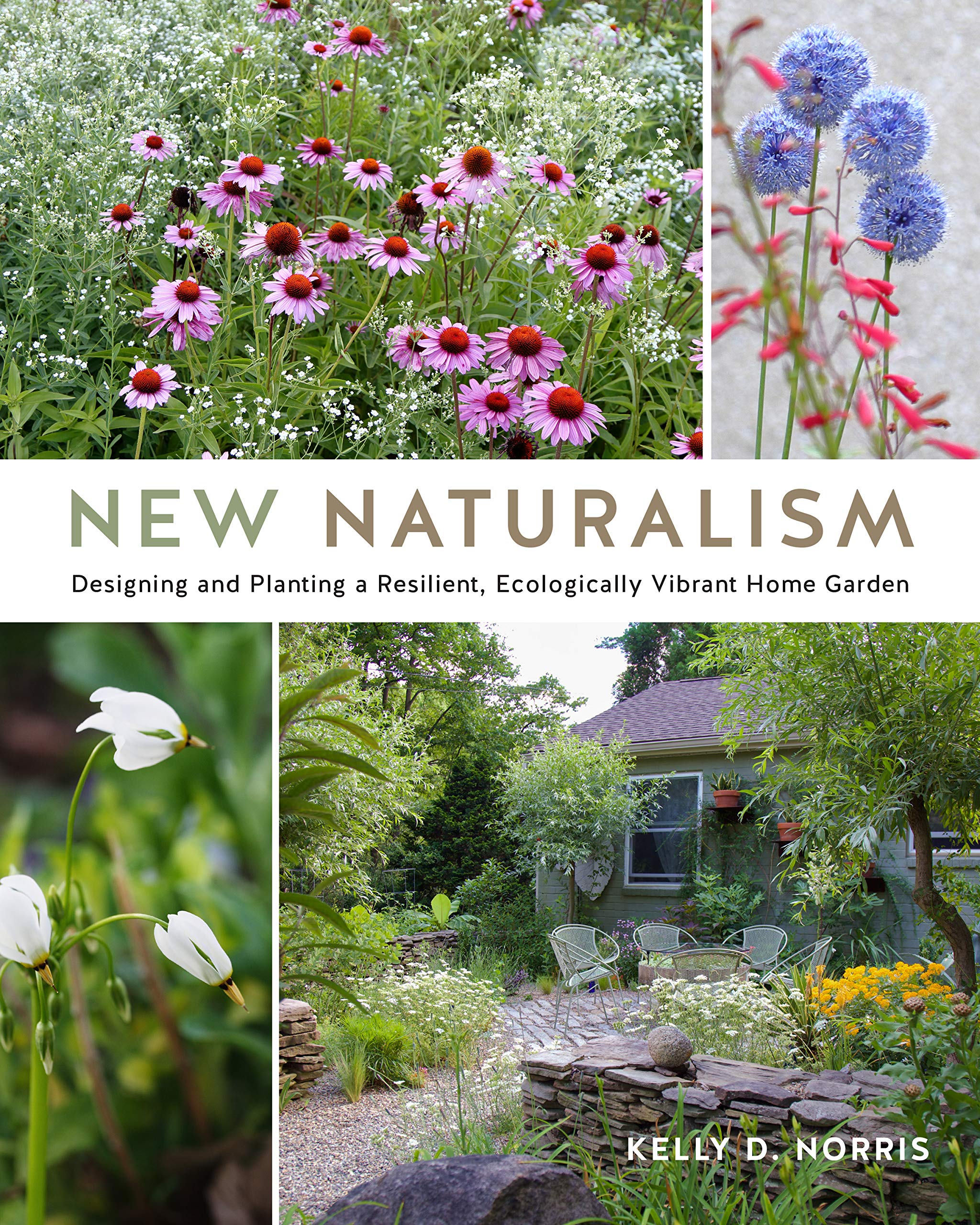
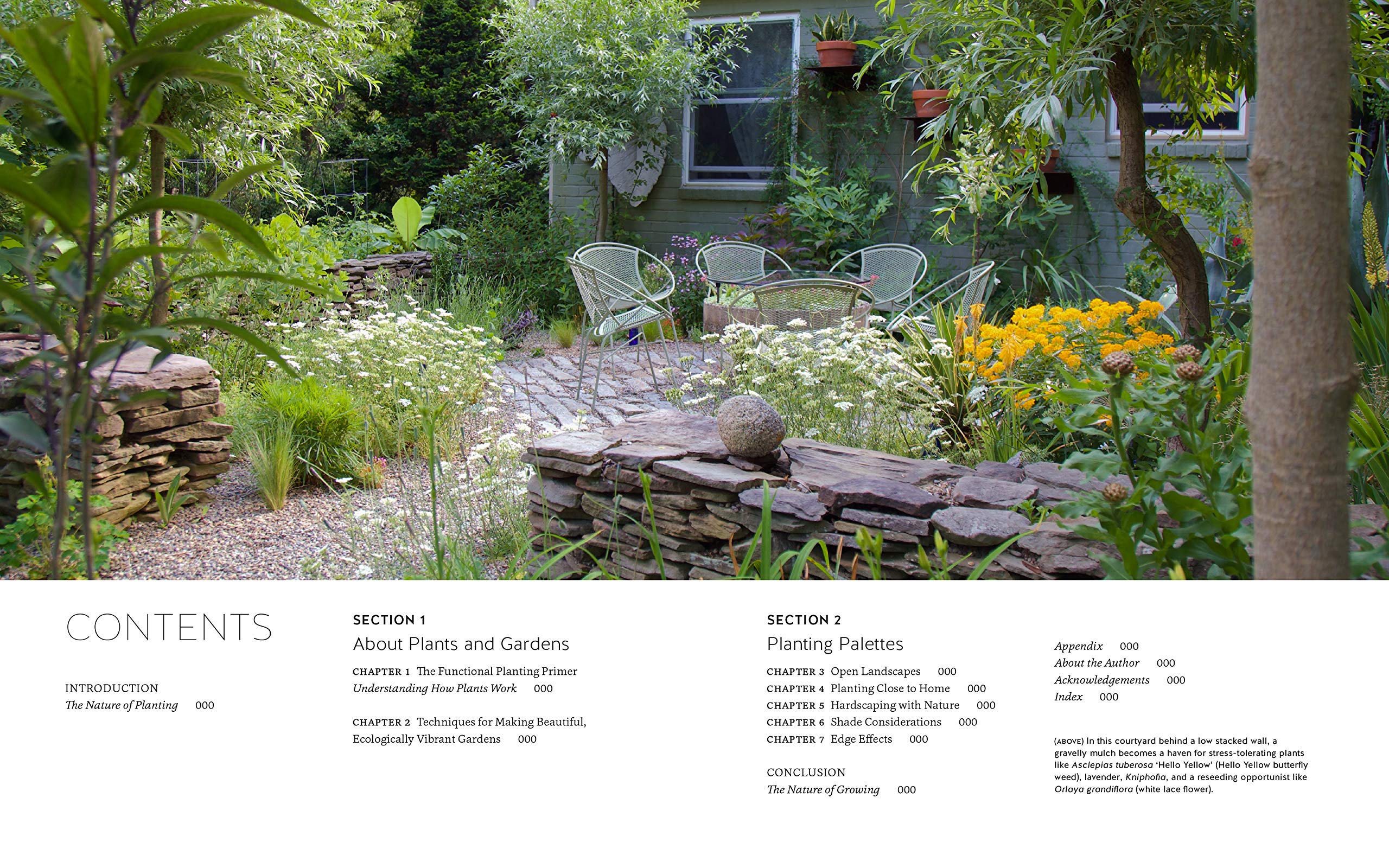
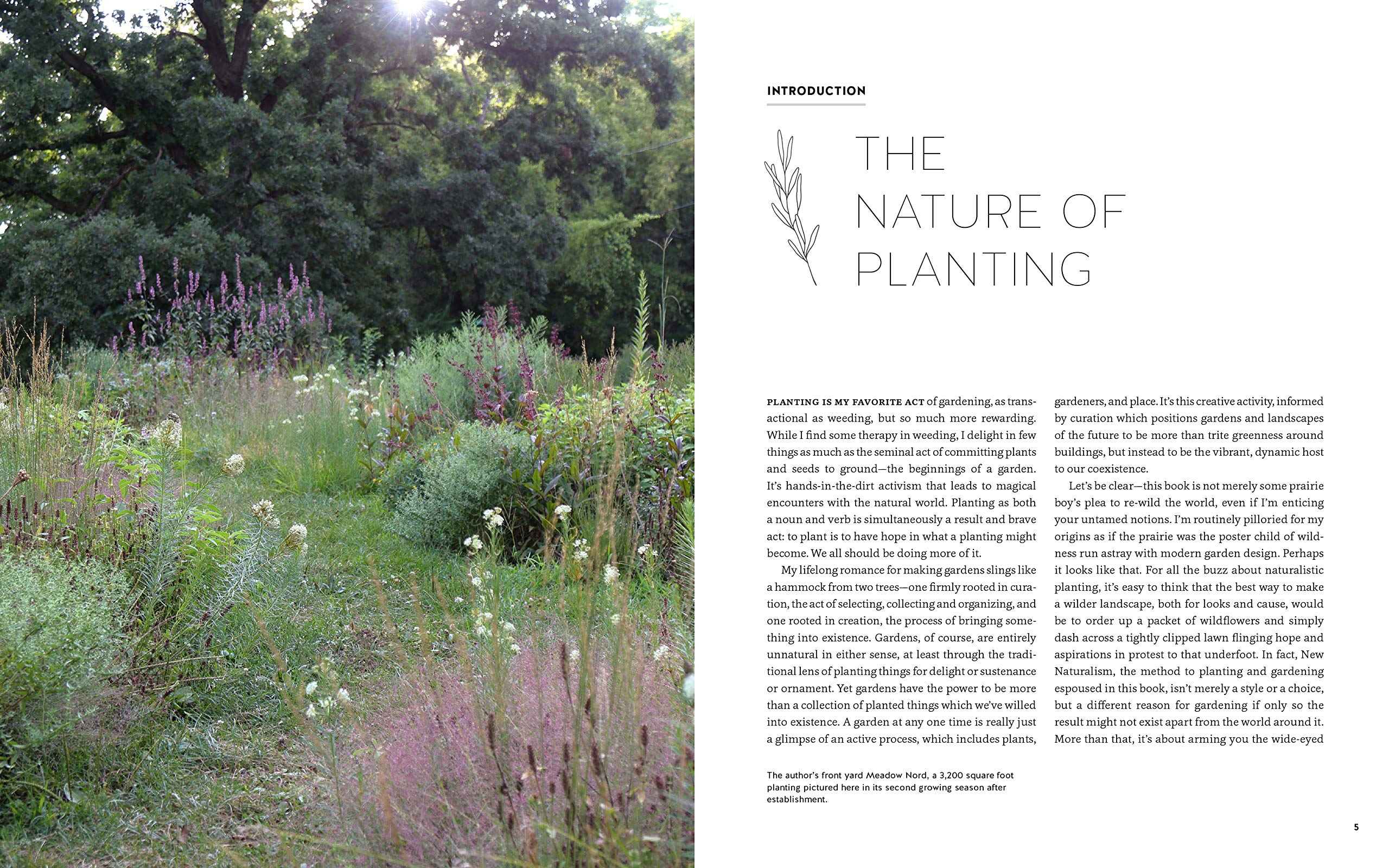
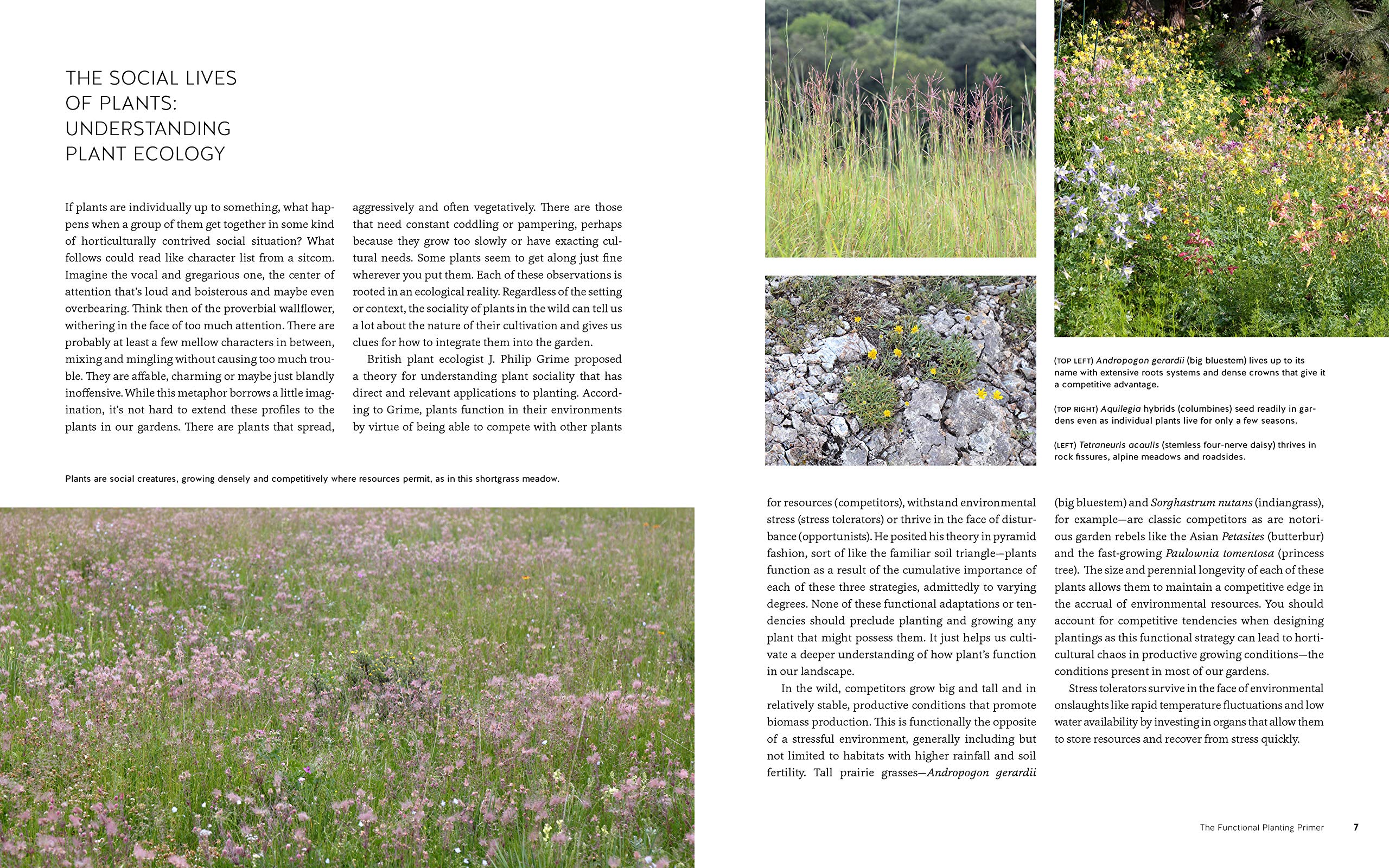
New Naturalism: Designing and Planting a Resilient, Ecologically Vibrant Home Garden
C**P
Excellent book for the natural landscaper.
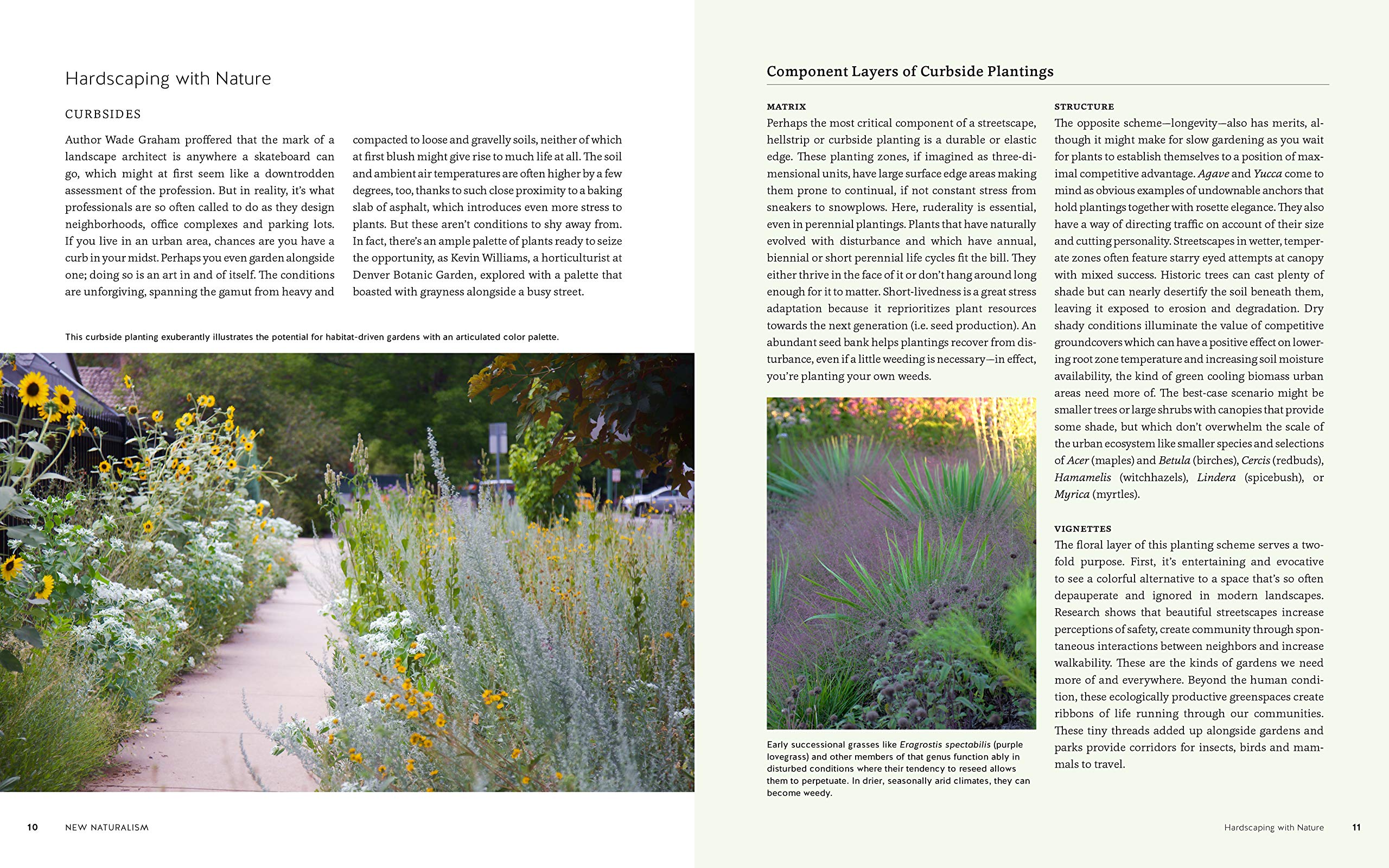
Great ideas for drought tolerant plantings. Large scale groupings and use of native plants. Loaded with beautiful pictures
S**H
Inspiring use of natural landscaping
Very well written and illustrated.
A**R
Naturalistic, yes; native, no.
My husband had wanted the book to read about native plants; however, the author mentioned a lot of NON- native plants. It was good, but a bit disappointing.
S**N
Great Inspiration
This book gives gardeners a guide for a new way to think about perennial gardens, whether you have a small space or looking to establish a meadow in place of your lawn. Highly recommend. I bought the soft cover book after downloading a free Kindle copy.
A**R
Planting guidelines for natural looking spaces with beautiful color and minimal maintenance
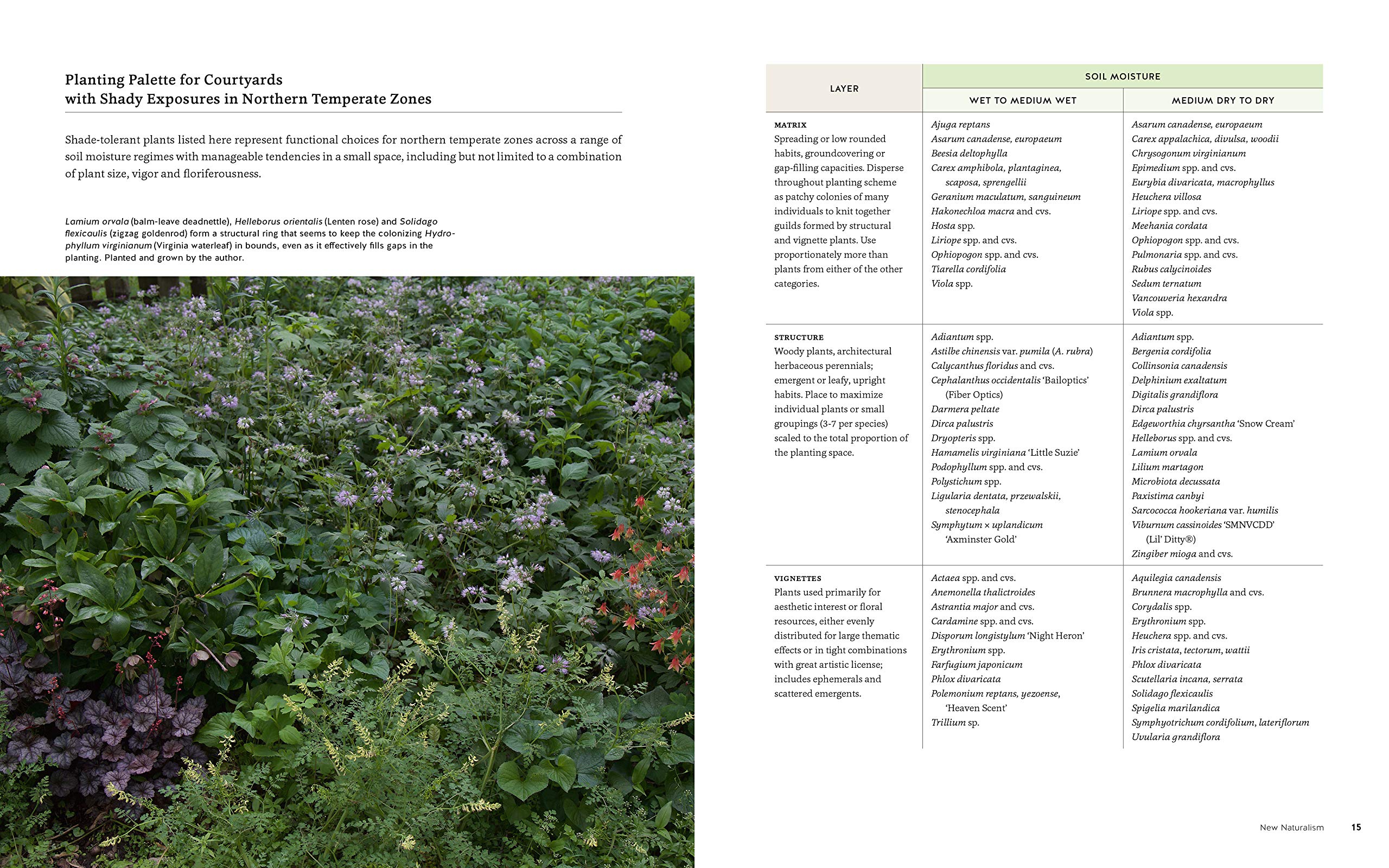
New Naturalism describes the 3 rules for planting naturally, lists plants for diverse needs (wet, dry, sun, shade, etc.), and provides beautiful examples of gardens planted according to the principles outlined in the book. An inspiration!
S**E
Great book with some innovative ideas
I loved this book. I am currently trying to incorporate more natives into my Midwest garden and this book shows me how to do it. This author has figured out the recipe for growing a lot of natives without it looking like a weed patch. Some books about natives make you feel bad for having any non-native plants in your yard. This book explains the percentages of non-natives and natives while still making a positive change for the environment with your gardens.
J**P
Embrace nature where you find it
When I edited a bunch of magazines for State-by-State Gardening, Kelly Norris was one of the contributors. I always looked forward to reading his copy. Such a joy. Kelly has put his literary writing skill to work in this book, which captures his philosophy of landscaping: Keep it natural. He serves up plant palettes for various applications, such as hell stripes, rocky areas, courtyards and more. He advocates learning about the soil, the area and what grows (or should grow) there. “I hope anyone who reads this book will glean an idea that might inspire them to think differently about the nature of gardening and their relationships with land,” he wrote.
N**Y
A new way of gardening
I was devastated when they tore out Doris Duke's formal gardens in Hillsborough, NJ. They were just beautiful. Her will had stated that they should be kept up forever, but some committee or other decided that they could tear them out and replace them with environmentally sensitive and educational spaces. Their reasoning was that the formal gardens consumed too many resources (gardeners and water) and polluted waterways with fertilizers.That was a few years ago. I'm coming to see the wisdom of not maintaining gardens that were never meant to be (although I hope Longwood Gardens never comes to that conclusion!). Even watching the silly kids movie "Over the Hedge" nudged me forward in realizing how much of the natural world we're ripping out for our perfect lawns and landscaped gardens.This book isn't the place for a beginner to start, though. It's a very advanced gardening book, which is no surprise given the author's CV. He's not talking about color, plant height or any of the other things you think about as you plant your formal gardens (or he does, but it's not the primary focus). The concepts you learn are about botanical and ecological systems. It's a lot to think about! I'm still in love with clean lines and sparse plantings -- symmetry and open space brings me peace -- so I'm not sure I can fully be converted to this way of gardening. The spaces he creates look wild and untamed. But we have a big wasted space behind the garage in our back yard that we're sick of mowing, so maybe I'll start there.
P**
Invasive Plants
Its an OK introduction to Naturalistic Planting. However, some of the case studies list invasive species such as Field Horsetail (Equisetum arvense) that really should not be introduced into a garden, especially of small size. Although of course plants such as this commonly grow in damp or wet places in fertile sites in maritime climates, the author fails to point out that competitive species such as this ultimately out compete each other leaving a mono-culture of a single species as the winner, reducing biodiversity.
Trustpilot
2 months ago
2 weeks ago