
Buy anything from 5,000+ international stores. One checkout price. No surprise fees. Join 2M+ shoppers on Desertcart.
Desertcart purchases this item on your behalf and handles shipping, customs, and support to Netherlands.
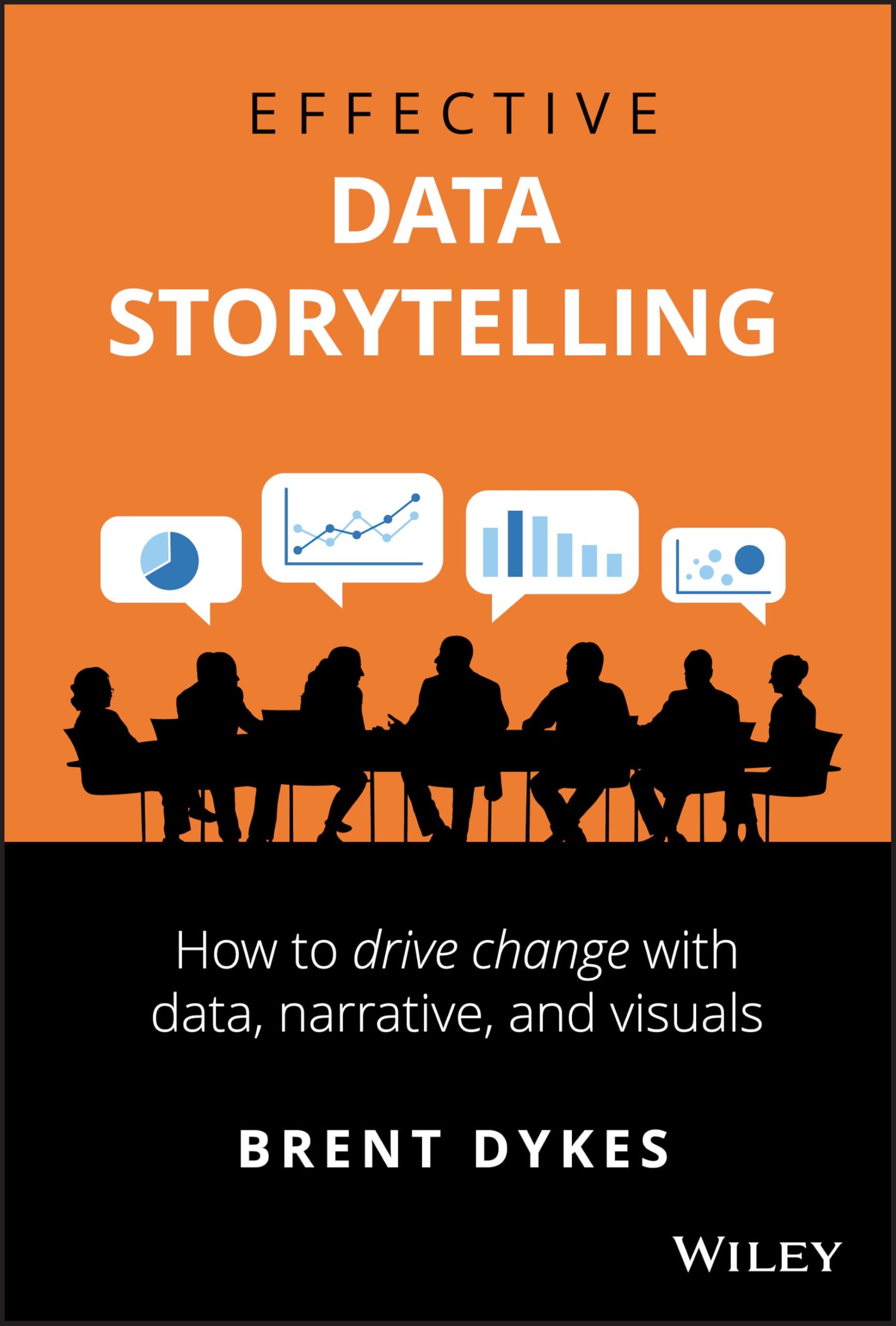
Effective Data Storytelling: How to Drive Change with Data, Narrative and Visuals: 9781119615712: Business Communication Books @ desertcart.com Review: Everyone can become a better Data Storyteller - This is a wonderfully thought out book on Data Storytelling from Brent Dykes. His research, presentation, and arguments on this subject was insightful, accurate, and energizing. I honestly wish I had this book 2 years ago as a basis to help me frame a major insight that could dramatically improve the customer experience. I was still lucky to influence a mindful VP on fixing a major part of the digital experience, but I might have been able to get it done sooner if I applied the lessons from this book. I highly recommend this book to both Business and Analytical team members. This book helps readers carefully consider how they actively build a Data Story to elicit change using Data and Insights as the foundation. All the core elements that support a good Data Story including quality data, an insight, a narrative, and clean visuals that come together in a Data Story for action. This book does a great job at explaining each of these elements and provides many great examples that readers can relate with. Across my own digital career, I have seen many team members struggle with being able to clearly articulate an insight and even describe what a possible solution to the problem is. This book can help them understand the process to effectively communicating their insight with a plan to action. With the explosion of business intelligence tools it has become much easier to discover insights, yet many people still struggle at putting a clear story to explain it. This book can help you pull it all together to make an impactful change. Three major things I learned from this book Humans act and respond to emotions โ We all know this is true, but as data explorers, we must always recenter back to this paradigm. As we discover insights, we must develop it into a Data Story that can reach into our human emotions and influence change. The data alone does not stir emotions, it is the meaning they represent along with the potential direction and impact they could go. We must craft stories that speak to our emotions. Ingredients to every Data Story = (Data + Narrative + Visuals). This book dives deep into each of these elements as they complement and strengthen the authors argument on what is a good Data Story. Once you discover an Insight, it is not just about showing a fancy chart with words describing a big change. You must critically think about every element as a scene in a story arc. Every piece works together to bring an audience along the journey to the Aha moment, and then the opportunity for the audience to help create the last chapters to this adventure. Visualizations support a Data Story - As a BI Professional, I love the power of data visualizations. They can help you quickly identify outliers and trends much quicker than spreadsheets. When crafted correctly, they can also be used to help focus attention and elicit emotions when paired with a strong narrative. However, we must be critically careful on how we emphasis, and present as to not mislead or confuse our audience. Brent does a good job at describing techniques on how to reduce the effort in visuals for an audience to understand. At the end of the day, this is a powerful book for all kinds of people that use and interact with data. Whether you are a data scientist, an analyst, a product marketer, or even a VP. We all need to be better Data Storytellers. If you lead a team of people, read this book, and pass it around. Once you and team have a common understanding on a process for better communicating and sharing our data insights, we all can become more Effective Data Storytellers. Review: Story drives CHANGE because we hear stats but FEEL stories. And - While other books about story merely entertain, this one is special because the principles are so memorable and applicable. It has truly changed the way I prepare for meetings, speak at conferences, and connect with customers. Instead of getting frustrated when ego and bias blind others to the ideas that could help us improve, I finally have a guide to balance the data, visuals, and narrative behind the research. The detailed examples make it easy to advance beyond labeling a presentation as effective or not. Now I know exactly WHY data stories are so influential and how I can replicate the best approaches in my own critical opportunities for influence. As a web analyst for 4 years, a digital advertiser for 4 years, and now a business intelligence product manager for 4 years - this is the most relevant and helpful book of my career. Next time you sit down with a chart or a slide remember this - you are starting in the wrong place. Turn off your computer, get out this book, and find a stack of post it notes. I promise the time spent organizing the hook, rise, aha, and solution will be more persuasive. This is because you are focused on connecting both the logic and emotion of the audience instead of merely boring and confusing them with an overcomplicated pile of unconnected numbers. Stories are not just for kids at bedtime. They are the only way to achieve the incredibly rare miracle of actually changing minds. Many are great with data. Some are solid with visuals. Very few are skilled with narrative. A small investment in that final skill will make you and your ideas truly stand out. To prove it, let me end with a story. I had to speak at our annual user conference (hook). People were sick of the same type of best practice breakout sessions (rise). The rough draft has great tips but nobody seemed to care (rise). I spent more time gathering relatable experiences supported by visuals other than charts (rise). After lots of practice I knew I had to balance slides with substance and stories (Aha). I spoke to 700 people and was rated the best session at the conference - and had fun seeing people actually apply my advice (solution). You can do this too. Whether at home, church, school, or work - people want more than logic and analytics. They crave connection. Stories are the best way to foster that type of empathy. Then you can all change together. Thanks Brent for writing this book. It has changed me.

| Best Sellers Rank | #241,366 in Books ( See Top 100 in Books ) #85 in Running Meetings & Presentations (Books) #390 in Communication Skills #2,399 in Computers & Technology (Books) |
| Customer Reviews | 4.6 4.6 out of 5 stars (317) |
| Dimensions | 6.3 x 1 x 9.1 inches |
| Edition | 1st |
| ISBN-10 | 1119615712 |
| ISBN-13 | 978-1119615712 |
| Item Weight | 2.31 pounds |
| Language | English |
| Print length | 336 pages |
| Publication date | December 17, 2019 |
| Publisher | Wiley |
M**N
Everyone can become a better Data Storyteller
This is a wonderfully thought out book on Data Storytelling from Brent Dykes. His research, presentation, and arguments on this subject was insightful, accurate, and energizing. I honestly wish I had this book 2 years ago as a basis to help me frame a major insight that could dramatically improve the customer experience. I was still lucky to influence a mindful VP on fixing a major part of the digital experience, but I might have been able to get it done sooner if I applied the lessons from this book. I highly recommend this book to both Business and Analytical team members. This book helps readers carefully consider how they actively build a Data Story to elicit change using Data and Insights as the foundation. All the core elements that support a good Data Story including quality data, an insight, a narrative, and clean visuals that come together in a Data Story for action. This book does a great job at explaining each of these elements and provides many great examples that readers can relate with. Across my own digital career, I have seen many team members struggle with being able to clearly articulate an insight and even describe what a possible solution to the problem is. This book can help them understand the process to effectively communicating their insight with a plan to action. With the explosion of business intelligence tools it has become much easier to discover insights, yet many people still struggle at putting a clear story to explain it. This book can help you pull it all together to make an impactful change. Three major things I learned from this book Humans act and respond to emotions โ We all know this is true, but as data explorers, we must always recenter back to this paradigm. As we discover insights, we must develop it into a Data Story that can reach into our human emotions and influence change. The data alone does not stir emotions, it is the meaning they represent along with the potential direction and impact they could go. We must craft stories that speak to our emotions. Ingredients to every Data Story = (Data + Narrative + Visuals). This book dives deep into each of these elements as they complement and strengthen the authors argument on what is a good Data Story. Once you discover an Insight, it is not just about showing a fancy chart with words describing a big change. You must critically think about every element as a scene in a story arc. Every piece works together to bring an audience along the journey to the Aha moment, and then the opportunity for the audience to help create the last chapters to this adventure. Visualizations support a Data Story - As a BI Professional, I love the power of data visualizations. They can help you quickly identify outliers and trends much quicker than spreadsheets. When crafted correctly, they can also be used to help focus attention and elicit emotions when paired with a strong narrative. However, we must be critically careful on how we emphasis, and present as to not mislead or confuse our audience. Brent does a good job at describing techniques on how to reduce the effort in visuals for an audience to understand. At the end of the day, this is a powerful book for all kinds of people that use and interact with data. Whether you are a data scientist, an analyst, a product marketer, or even a VP. We all need to be better Data Storytellers. If you lead a team of people, read this book, and pass it around. Once you and team have a common understanding on a process for better communicating and sharing our data insights, we all can become more Effective Data Storytellers.
H**N
Story drives CHANGE because we hear stats but FEEL stories. And
While other books about story merely entertain, this one is special because the principles are so memorable and applicable. It has truly changed the way I prepare for meetings, speak at conferences, and connect with customers. Instead of getting frustrated when ego and bias blind others to the ideas that could help us improve, I finally have a guide to balance the data, visuals, and narrative behind the research. The detailed examples make it easy to advance beyond labeling a presentation as effective or not. Now I know exactly WHY data stories are so influential and how I can replicate the best approaches in my own critical opportunities for influence. As a web analyst for 4 years, a digital advertiser for 4 years, and now a business intelligence product manager for 4 years - this is the most relevant and helpful book of my career. Next time you sit down with a chart or a slide remember this - you are starting in the wrong place. Turn off your computer, get out this book, and find a stack of post it notes. I promise the time spent organizing the hook, rise, aha, and solution will be more persuasive. This is because you are focused on connecting both the logic and emotion of the audience instead of merely boring and confusing them with an overcomplicated pile of unconnected numbers. Stories are not just for kids at bedtime. They are the only way to achieve the incredibly rare miracle of actually changing minds. Many are great with data. Some are solid with visuals. Very few are skilled with narrative. A small investment in that final skill will make you and your ideas truly stand out. To prove it, let me end with a story. I had to speak at our annual user conference (hook). People were sick of the same type of best practice breakout sessions (rise). The rough draft has great tips but nobody seemed to care (rise). I spent more time gathering relatable experiences supported by visuals other than charts (rise). After lots of practice I knew I had to balance slides with substance and stories (Aha). I spoke to 700 people and was rated the best session at the conference - and had fun seeing people actually apply my advice (solution). You can do this too. Whether at home, church, school, or work - people want more than logic and analytics. They crave connection. Stories are the best way to foster that type of empathy. Then you can all change together. Thanks Brent for writing this book. It has changed me.
T**M
The content and structure of this book are both excellent. Perfect for those who are interested in building a story using data. What's unique is the narratives - Dykes did a good job making a textbook-like non-fiction book much more enjoyable to read than similar books in the market.
C**S
I recently realized that I could improve the way I did presentations, and I think explaining "your data" is key. I found this book by chance and it was exactly what I was looking for. A special mention to the author: at the end of the book there is a reference to an URL to download some resources, and it was not working. I asked for it and he kindly shared those resources by e-mail. Recommended!
C**E
The book "Effective Data Storytelling: How to Drive Change with Data, Narrative and Visuals", by Brent Dykes, is a must-read and a must-study for those who seek a full process and robust methodology to choose the right data, explore the best visualization options, polish the data and transform the raw numbers into actionable and trustable insights. I'd recommend it to students and data science professional managers (in the business and innovation segments). Mr. Dykes' book is based on top contemporary research studies (including references to Daniel Kahneman, Dan Ariely, Edward Tufte, Alberto Cairo, Hans Rosling, etc.) and he sets up an original and enlightened decision making framework. The quality of the text, the organization of the chapters, the resources and the graphics are perfectly in line with his approach, and make the reading a real pleasure and memorable. This is a book might change your working for much-better.
S**N
This book was a gift to my wife as its around an area of interest of her work. She was very happy with it .
D**.
Absolutely brilliant. Very well structured and written. The content is pure gold.
Trustpilot
2 months ago
1 month ago