We remain fully operational. Our teams are working around the clock to ensure your deliveries continue safely.

DOWNLOAD DE APP


Klantenservice
Copyright © 2025 Desertcart Holdings Limited
DOWNLOAD DE APP
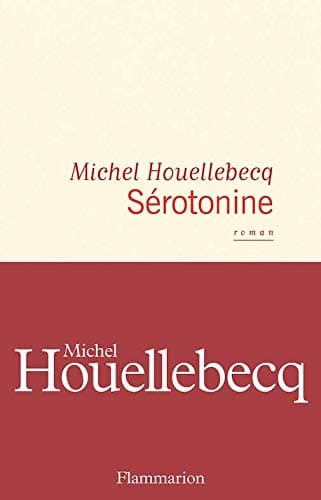
desertcart.com: Serotonine (French Edition): 9781547908356: Michel Houellebecq: Books Review: Houellebecq at his best - All that can be epected, and more. Not as scifi as Soumission, but all the ingredients are there: he laments the conditio humana (especially the male one), visits a few lovers from decades ago, there is a bit of violence and in the end all that remains is sadness. If you've read him before, you won't be surprised. Still, he is at the zenith of his capabilities and has not softened an inch. Review: Il ne s’agit pas d’une bière blonde mais bien de ce livre de Houellebecq. Un livre facile à lire. Un livre vrai. Poétiquement cru. Qui nous rappelle nos limites en tant qu’être humain à travers un style direct mais néanmoins romantique. A lire à tout moment. Lecture agréable.
| Best Sellers Rank | #12,344,332 in Books ( See Top 100 in Books ) |
| Customer Reviews | 3.8 3.8 out of 5 stars (4,893) |
| ISBN-10 | 1547908351 |
| ISBN-13 | 978-1547908356 |
| Item Weight | 12.2 ounces |
| Language | French |
| Print length | 352 pages |
| Publication date | January 3, 2019 |
| Publisher | French and European Publications Inc |
A**C
Houellebecq at his best
All that can be epected, and more. Not as scifi as Soumission, but all the ingredients are there: he laments the conditio humana (especially the male one), visits a few lovers from decades ago, there is a bit of violence and in the end all that remains is sadness. If you've read him before, you won't be surprised. Still, he is at the zenith of his capabilities and has not softened an inch.
B**S
Il ne s’agit pas d’une bière blonde mais bien de ce livre de Houellebecq. Un livre facile à lire. Un livre vrai. Poétiquement cru. Qui nous rappelle nos limites en tant qu’être humain à travers un style direct mais néanmoins romantique. A lire à tout moment. Lecture agréable.
N**A
Medium for a Houellebecq, always so good.
It was the first Houellebecq that I did not like.
J**R
Ce bouquin nous fait réfléchir sur l’importance de donner plus de dévouement aux petits détails qui peuvent nous être comme un ensembe
N**R
Blue pill or red pill? White pill please...
No masterpiece to his standards, but Houellebecq again manages to convey deep thoughts on Western society. The impossibility of true love is described more explicit than ever. Ageing and the demise of Europe are themes in one of his more remorseful, dare I say even compassionate novels.
C**E
Very disappointing!
I rarely bash a book, I prefer not to talk about it when I don't like it. But the problem here is that this is a widely talked about book in France by a major French author. So, the book IS important. And it addresses important social issues that affect us all: It focuses on the failure of the middle class to withstand the shocks of globalism and technology. With populists pushing against globalism and the elite everywhere, from the U.S. to France, to Italy, to Hungary, Poland, Austria, the list is endless..., these issues have become front page news everyday. The author obviously knows what he is writing about - one may assume he's spent the past year somewhere in provincial France, picking up the angry noise that finally exploded in November with the Yellow Vests protests every Saturday. With such marvelous material to work with, I expected a masterpiece. But I didn't get it. Not at all. It starts out fine, but then it slows down by the middle of the novel, and the end is frankly no good. He could have saved his novel if only he'd written it using different POVs. There is only one POV throughout the novel - it's a dark world indeed that is viewed exclusively through the eyes of this Ministry of Agriculture consultant, a middle-aged failure and an obsessive mysoginist. It would have been a welcome relief to get his one true love's POV, Camille who sounds like a delightful, loving character. But the author didn't. We get no relief. And we suddenly learn things about her, through him, the main character and there's simply no way he could tell us about these things or learned them about Camille in some other way (he's keeping Camille at arms' length, there's no dialogue between the two). That kind of mistake simply knocked me out of the novel and I couldn't have cared less about how it ends. In short, a tough read. Depressing and a poorly constructed plot. That's why I'm so disappointed, because this is a very talented author and we've all learned to expect far better stuff from him. Quel dommage (to put it in French)!
A**N
Great book
Fantastic book recommended to everyone.
J**I
mais nullement son meilleur œuvre
M**T
Superiore a molte altre opere di Houllebecq. Meglio di un libro di psicologia.
P**T
Encore une claque littéraire: un style clinique unique et glacial pour dépeindre une société bercée dans l'illusion de la liberté individuelle...
K**E
Whether you want to believe the hype that the new novel Michel Houellebecq predicted the civil unrest that recently manifested on the streets in the form of the 'gilets jaunes', it is true nonetheless that Houellebecq has always had his finger on the pulse of French and modern western society. Monitoring its irregular heartbeat, waiting (hoping perhaps) for it to finally just give up and die, the author's pessimistic view of the fundamental nature of humanity and the fragile construct of civilised society mark him out as a true successor to J.G. Ballard. Often however Houellebecq's vision is limited by his own personal frustrations and obsessions, his growing isolation and disillusionment, limited also by the sexual fantasies that litter his books and by a wholly vitriolic and cynical outlook on modern society. His new novel Sérotonine doesn't really stake out any new ground, but this time the author's targets are a little more defined in the novel's journey through a post-society France. We have the familiar lonely, chain-smoking, depressed pill-popping narrator jaded with life reflecting back on his sexual exploits, his unsatisfactory career as a civil servant, who is coming to the conclusion that his existence has been pointless. Mainly to escape out of a dying relationship, independently wealthy 46 year old Florent-Claude Labrouste decides to disappear and in a city like Paris he doesn't have to go too far to get lost; he can just move to a district less frequented by his type of people. From his hotel bedroom near the Place d'Italie in the 13th Arrondissement (one of the few that permit smoking in their rooms) he reflects on what to do next, reminiscing on past sexual exploits and meeting up with old partners and friends. If that were entirely the tone and the content of Sérotonine it wouldn't be that much different from previous Houellebecq books, and to a large extent there's a sense of the author playing up to his notoriety and enjoying the sense of provocation with a little bit of a smirk as he writes it. Contrary to the initial press reaction there's no great philosophical insights or prophetic visions in the novel's apparent world-weary gloom, but Houellebecq does manage to find fault with and express a comprehensive disdain for various aspects of French history, government, politics, law and society. Industry, architecture and agriculture, popular and high-brow culture, the near impossibility of avoiding modern lifestyle traps all come in for criticism as a reflection on the source of everything that is now wrong with France today and how it got there. It's not just the narrator but society itself that is depressed and suicidal, neurotic, impotent, dried-up and dead inside. It's a simple enough idea then to tie personal revelations with our social failings, but amidst all the cynicism this brings an unexpectedly tender and even romantic note to Sérotonine, and it's often even highly amusing. There's still some humanity left in Houellebecq, perhaps a great deal more than you might think. Lest you feel that he is mellowing in his old age or that the anti-depressants are actually effective, Houellebecq's view of love is one that turns out to be (almost?) irretrievably twisted by his life experience and he still has the capacity to shock and push buttons. Sérotonine may not be a heavy-weight philosophical analysis of the state of France and the world today, it may not even be the best self-analysis of why the author maintains a nihilistic sense of utter disillusionment, and it may even feel a little bit like self-parody at times, but there's an undeniable element of truth in what the book tells us about the state of the world we are living in today and what it is doing to us.
W**S
Ein Roman, der ganz nah am Puls der Zeit und unserer heutigen Probleme ist. Der Ich-Erzähler Florent-Claude überblickt mit 46 Jahren resigniert sein Leben und das vieler anderer Menschen, vor allem Männer. In einer Welt der Oberflächlichkeit und der blasierten Großstadt-Bobos, des schnellen Scheinglücks, des Links-Konformismus, des Erfolgs im Hamsterrad, der Internationalität und des Identitätsverlustes erlebt er seine persönliche Hoffnungslosigkeit und das Scheitern in Liebe und beruflichen Zielsetzungen. Statt Glück findet er Einsamkeit in einer kalt gewordenen westlichen Welt, die zurück in der oralen Phase ist (Konsum). Er wird zum Selbst-Autor seines Unglücks, und anderen kann er in deren Lage nicht helfen. Wer Houellebecq bisher als kalten Satiriker kennengelernt haben sollte, wird ihn durch den Ich-Erzähler von einer liebevoll ironisch-selbstironischen, zuweilen humorvoll-sarkastischen Seite erleben. Florent kämpft sich durchs Leben, bleibt aber nur im Streit um Vorgaben und Vorschriften eines verwaltenden Staates Sieger: z.B. Rauchverbot in Hotels, Pflicht zum Sortieren von Müll ...Fasst beschwörend setzt er auf die Liebe: mit ihr, wie in einem Traum zu zweit, würde für ihn das Leben ertragbar. - Das Erleben der vielen Misserfolge, des Scheiterns bei durchaus sympathischen Menschen lässt das eigene Leben des Leser u.U. in einem erträglicheren Licht erscheinen. Auch ein Grund, diesen so aktuellen und wahren Roman zu lesen. Sehr kurzweilig. Fast jede Seite mit feinem Humor zum Herzlich-Lachen. Unbedingt lesen! Sprachlich zeigt der Autor erneut seine Kunst, Alltagsgeschehen, aber auch komplizierte Vorgänge, in treffende, schnörkellose Sprache zu setzen, die jede Geschwätzigkeit vermeidet. Florent-Claude kann sein Leben nicht mehr in eigene Hände nehmen. Er ist auf Psychiater, Ärzte und Medikamente angewiesen (Captorix, Serotonin-Bestandteile als Antidepressivum, allerdings mit starken erlebenseinschränkenden Nebenwirkungen). Seine spätere Flucht in sexuelle Abenteuer (mit Yuzu) und Freizügkeiten lässt ihn nicht über das verlorene Glück mit Camille hinwegkommen, deren Liebe er selbst aufs Spiel gesetzt hat. Er philosophiert mit Kant, Christus und Google über die Unterschiede der Liebe bei Mann und Frau (nicht ganz ernst zu nehmen). Die Liebe seiner Eltern zueinander wird von ihm äußerst liebevoll geschildert. Sie endet allerdings im gemeinsamen Tod beider, als sein Vater mit 64 unheilbar an Krebs erkrankt. Gibt es ein Glück in der Einsamkeit für den Ich-Erzähler? Kann er überhaupt glücklich werden? (Florent: Am besten die Frage erst gar nicht stellen. Aber er weiß, er ist stabil, friedfertig: auf der Ebene der Trauer, ohne Steigerung oder Abnahme). Claire, seine zweite Freundin, verneint die Möglichkeit des Glücklichseins im reichen Westen des 21. Jahrhundert: Es ist sozusagen das Jahrhundert zu viel, wie es für einen angeschlagenen Boxer eine Runde zu viel gibt. Als Agro-Ingenieur mausert der Erzähler sich vom Monsanto-Verteidiger über seinen Job bei der EU als Vertreter der französischen Bauern-Interessen hin zum arbeitslosen Versteher von Bauernrevolten gegen das Drücken der Milchpreise. Claire ist reichlich erfolglose Kulturschaffende und Theater-Schauspielerin(eigentlich wollte sie zum Film, leider war sie für Porno-Darstellungen zu blond, hier sahnten die Südamerikanerinnen ab). Aus Not und Verzweiflung spielt sie in einer von einem modernen Regisseur adaptierten Version eines Theaterstückes von Blanchot mit. Claires Part wird trotz ihrer leicht pornografischen Freizügkeit bei absolut schwachsinnigem Inhalt von einer hochdotierten Rezensorin gelobt. Zum Inhalt: Blanchot ist der ideale Autor zum Schreibmaschinen-Schreiben-Lernen: Man wird nicht vom Sinn abgelenkt. Als Florent mit 46 das Leben aus den Händen gleitet, wendet er sich seiner Vergangenheit zu. Wie ein Selbstmord-Kandidat sucht er noch einmal die Orte seines Lebens auf, also seine Freundinnen und seinen Freund Aymeric. Mit Florent und Claire treffen zwei Loser aufeinander. (Im Film sicher, z.B. mit Isabelle Huppert, großartig darzustellen. Im wahren Leben: hätte man da wirklich Lust drauf?) Mit großer Angst starrt der Einsame auf zwei fatale Daten: den 24. und den 31. Dezember. Er denkt an das Verbringen dieser Woche im Kloster: leider alles ausgebucht. Also bleibt ihm nur das Hotel. Wie erkläre ich der Rezeption mein Alleinsein, an Tagen, an denen alle Welt zusammen mit anderen verbringt? Notlügen gegen scheinbares Glück der anderen. Immerhin hat er die Christmette im Fernsehen!?? Der nächst Loser ist Aymeric, Herr eines ererbten Schlosses in der Normandie. Aber statt das Schloss, wie viele seiner Vorgänger-Generationen, unverändert weiterzuvererben, richtet er dort einen landwirtschaftlichen Betrieb nach Öko-Grundsätzen ein: selbst melken morgens um 5, Hunderte von Kühe, keine Kunstdünger.... Trotzdem geht der Betrieb ein, da der Milchverkauf aufgrund der Konkurrenz der anderen EU-Länder unter der Kostendeckung bleibt, von der späteren Öffnung hin zum Weltmarkt ganz zu schweigen. Aymeric trinkt, verliert seine Frau an einen Pianisten, siecht vor sich hin, verlegt sich auf Schießübungen mit Waffen aus seinem reichen Arsenal im Schloss. Florent übt mit. Doch als er einen kleine Vogel erschießen soll, macht sein Herz nicht mit. In den Bungalows, die Aymeric auf dem Gelände eingerichtet hat, bringt Florent einen einsamen älteren deutschen Ornithologen auf, der von einem zehnjährigen Mädchen („mein Liebchen“) ein ihn aufreizendes Video dreht. Aymeric, von Natur aus gutmütig, mit dem altmodischen Traum von vernünftiger Landwirtschaft, geht später in die Nachrichtengeschichte ein, als er sich bei einer gewaltsamen Bauerndemo mit Straßensperren aus brennenden Mähdreschern selbst erschießt und damit den Tod von 12 Polizisten auslöst. Florent trifft einen weiteren Mann, den Vermieter seiner neuen Bleibe für ein Jahr: ein gescheiterter Architekt, von seiner Frau verlassen, ein Gesicht, das die ganze Leere und Verzweiflung ausdrückt. In diesen drei Männern erkennt der Ich-Erzähler sich wieder, wie in seinem Alter-Ego. In diesem Jahr will Florent die alte Liebe von Camille zurückerobern, ohne ihr nahe zu kommen. Sie ist Tierärztin, „äußerlich unverändert“ und hat ein fünfjähriges Kind. Aus Verzweiflung denkt und plant er die Ermordung des Kindes („er oder ich“). Er zieht zurück, ohne sie anzusprechen, untätig: ein leeres Leben steht vor ihm. Die Vergangenheit ist ihm verschlossen, eine Zukunft gibt es nicht. Nur Medizin (Serotonin) und Sturzes vom Hochhaus. Eine Nacht ohne Ende? Seine sozialen Beziehungen sind im Laufe seines Lebens immer geringer geworden. Sein Arzt sagt ihm Sterben aus Kummer voraus, falls er nicht wieder menschliche Nähe für sich sucht und erwirbt. Trifft er Menschen, die sich bei aller Verhärtung der Herzen in dieser Welt für ihn erweichen?
F**D
J'aime Michel Houellebecq. J'ai aimé ce livre. Je l'ai aimé parce qu'il m'a fait rire, pas un petit rire discret, non, de francs éclats de rire, à gorge déployée comme on dit, j'ai ri de bon coeur. Et pourtant ce livre n'est pas gai, c'est indéniable. Un homme au prénom ridicule, Florent-Claude ( prénom de "tapette" comme le dit le narrateur), est englué dans une dépression magistrale, qui ne cessera de croître tout au long du livre, dépression crescendo, inéluctable, inévitable. Englué comme les oiseaux "empétrolés" jusqu'au bec. Oui, j'ai ri tout de même, de cet humour grinçant et décapant, notamment pendant les visites chez le Docteur Azote, ses retrouvailles avec son ex Claire au restaurant, ses maniaqueries culinaires avec force détails. Et puis, finalement, sauf à la fin, autant de pessimisme en devient drôle. Mais Houellebecq le sait bien, c'est un petit malin ce Michel. Il nous entraîne dans un tourbillon de l'obscur, et pourtant, il est si lumineux. Alors oui, il y a quelques scènes dites porno, comme d'habitude chez lui, on côtoie le "crado" de temps à autres, comme la pédophilie du belge ou la zoophilie de Yuzu. Mais franchement, pas de quoi en faire un fromage (AOC de Normandie bien sûr ). Quelques bon mots également, comme la célèbre marque Zadig et Voltaire qu'il rebaptise Pascal et Blaise. J'ai aimé ce livre car il m'a surpris, et j'adore être surprise, notamment en littérature. Quand je le vois, physiquement parlant, avec son visage si particulier, à la limite de la laideur, j'ai toujours quelques difficultés à me faire à l'idée que c'est bien lui qui a écrit ceci. Il m'a surprise surtout par cette nouveauté incroyable : il croit en l'amour, il part dans des envolées lyriques en se remémorant Kate, puis Camille, ses deux grands amours. Et ses plus grands bonheurs. L'amour lui permet de supporter cette chienne de vie, cette médiocrité viscérale du narrateur. J'ai découvert un Houellebecq romantique, nostalgique, avec un homme qui part faire de longs pèlerinages bien douloureux sur les traces de ces anciennes amours. Si, si. Enfin, car il faut bien terminer, ce livre m'a touchée, m'a émue. Par ce revirement amoureux, par son écriture parfois désespérée, par cette plume magnifique, car ce livre est extrêmement bien écrit, et puis surtout, par ce petit bonhomme, haï à la folie par sa mère, mis au rebut autant qu'à la poubelle, qui s'est débarrassé en un mouvement de ses oripeaux fétides et sanglants, et nous offre là, car oui, c'est bien d'un cadeau dont il s'agit, peut-être l'un de ses plus beaux romans. Pour mon plus grand bonheur.
Trustpilot
2 maanden geleden
2 maanden geleden